

 Odaberite jezik
You know the sound, right? That annoying, subtle hiss or the phantom flush that creeps up on you, usuSvey in the dead of night. It’s the sound of money dripping down the drain, literSvey. More often than not, the culprit behind a constantly running toilet or a mysterious water bill spike is a faulty flapper for toilet leaking. And honestly, it’s a problem that’s far more common—and costly—than most folks realize.
I’ve been in this industry for a good while, and I’ve seen countless innovations, but the humble toilet flapper remains a critical, yet often overlooked, component. It’s essentiSvey the gatekeeper of your toilet tank’s water, designed to seal the drain opening after each flush. When it fails, well, that’s when the headaches begin.
The Anatomy of a Leak: Why Flappers Fail
So, why do these little guardians of your plumbing start to give up the ghost? Several reasons, to be honest. The most common issues are wear and tear, material degradation from harsh water chemicals (hello, chlorine!), and mineral buildup. Over time, the rubber or plastic can stiffen, crack, or become warped, Preventing a complete seal. A common sight is a discolored, saggy piece of rubber – a sure sign your existing flapper in the toilet is past its prime.
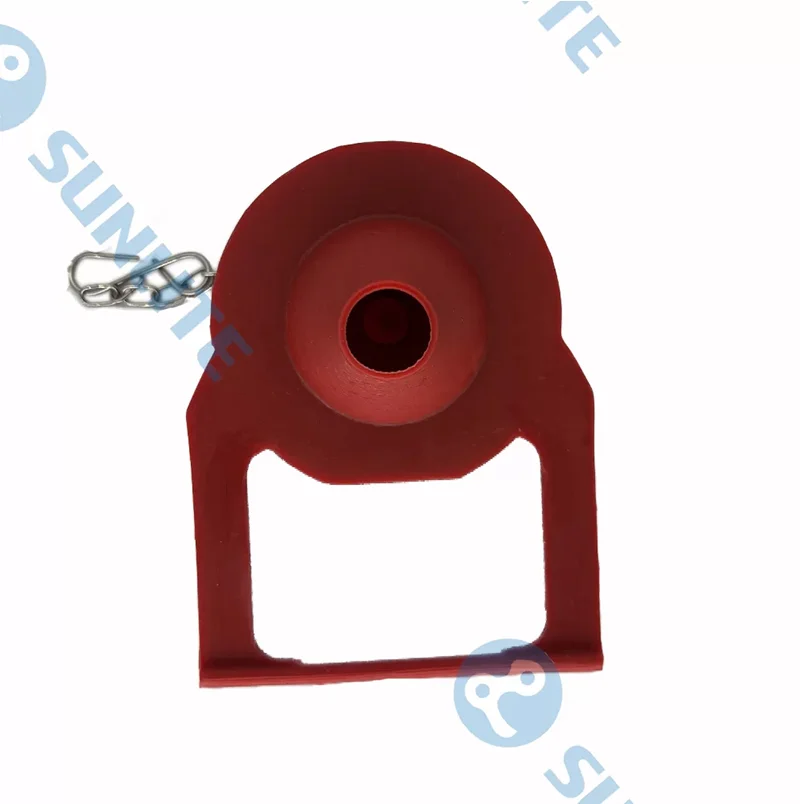
Beyond Basic Rubber: The Rise of EPDM Flappers
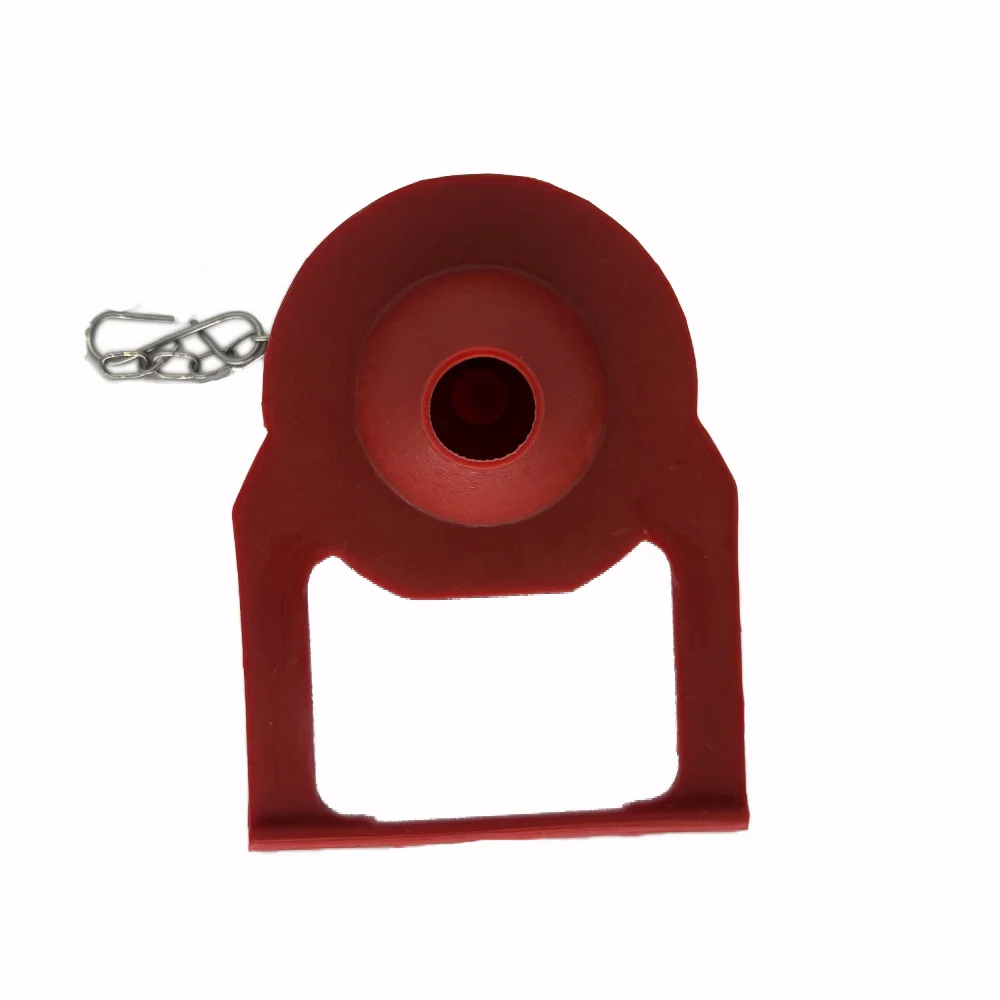
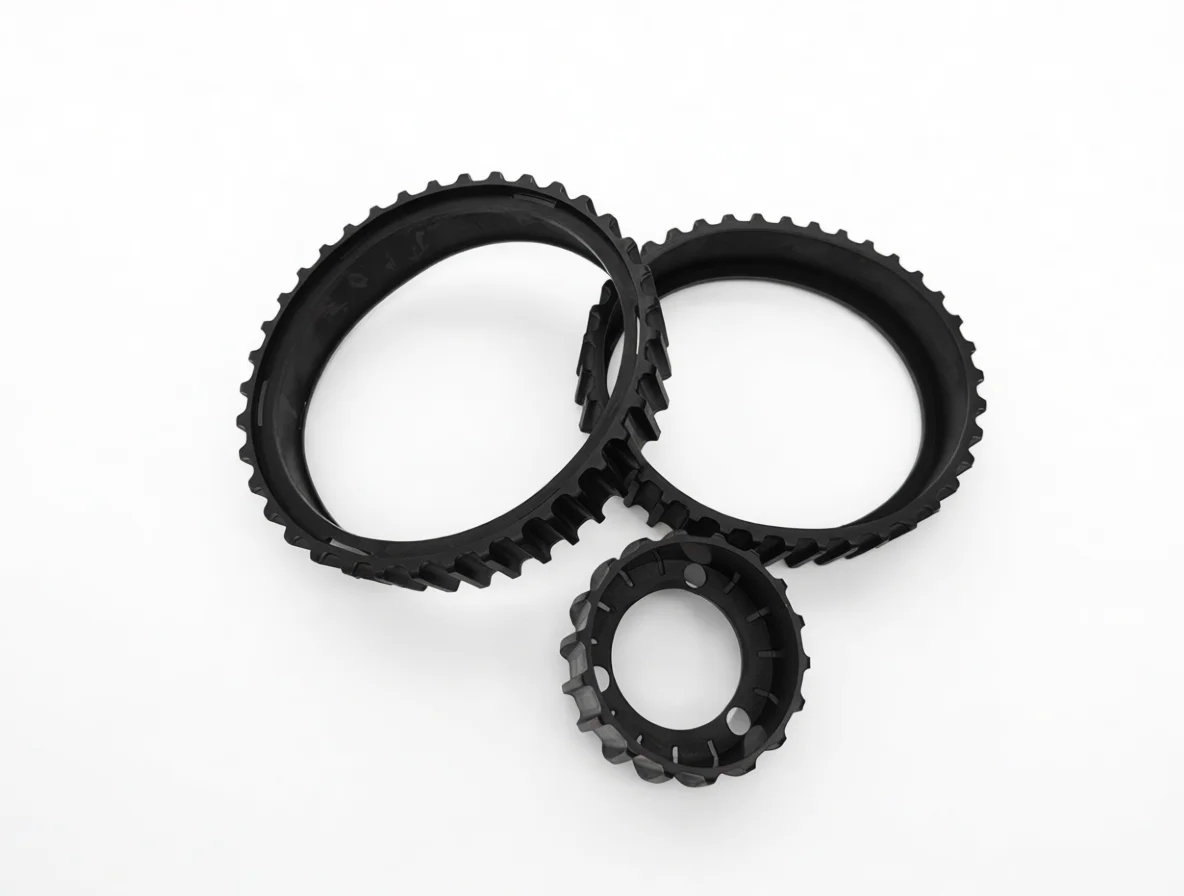
This brings us to one of the most significant industry trends: the shift towards advanced materials. Gone are the days when any old rubber flap would do. Today, we're seeing a strong move towards ethylene propylene diene monomer, or EPDM, for water tank flappers. Why EPDM, you ask? Simple: it offers superior chemical resistance, especiSvey against chlorine and chloramine, which are Prevalent in municipal water supplies. This means a much longer service life and, frankly, fewer headaches for you down the line.
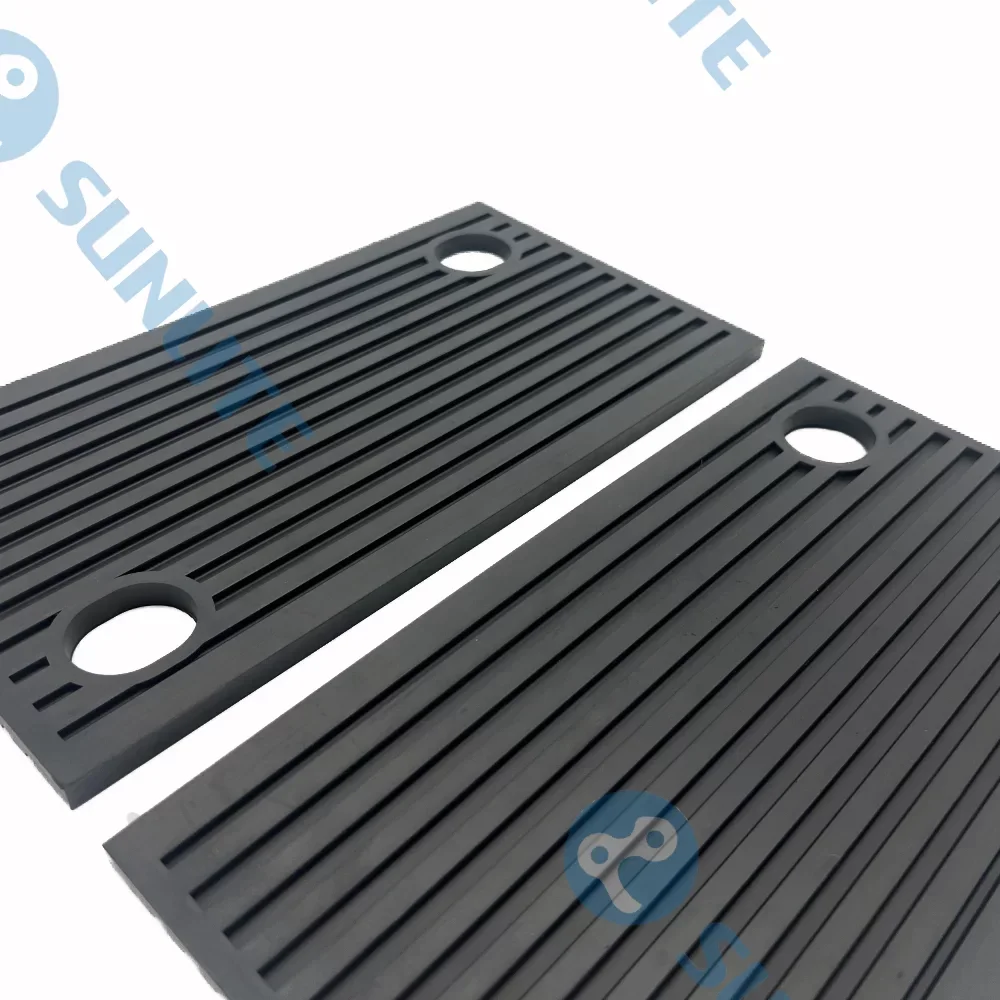
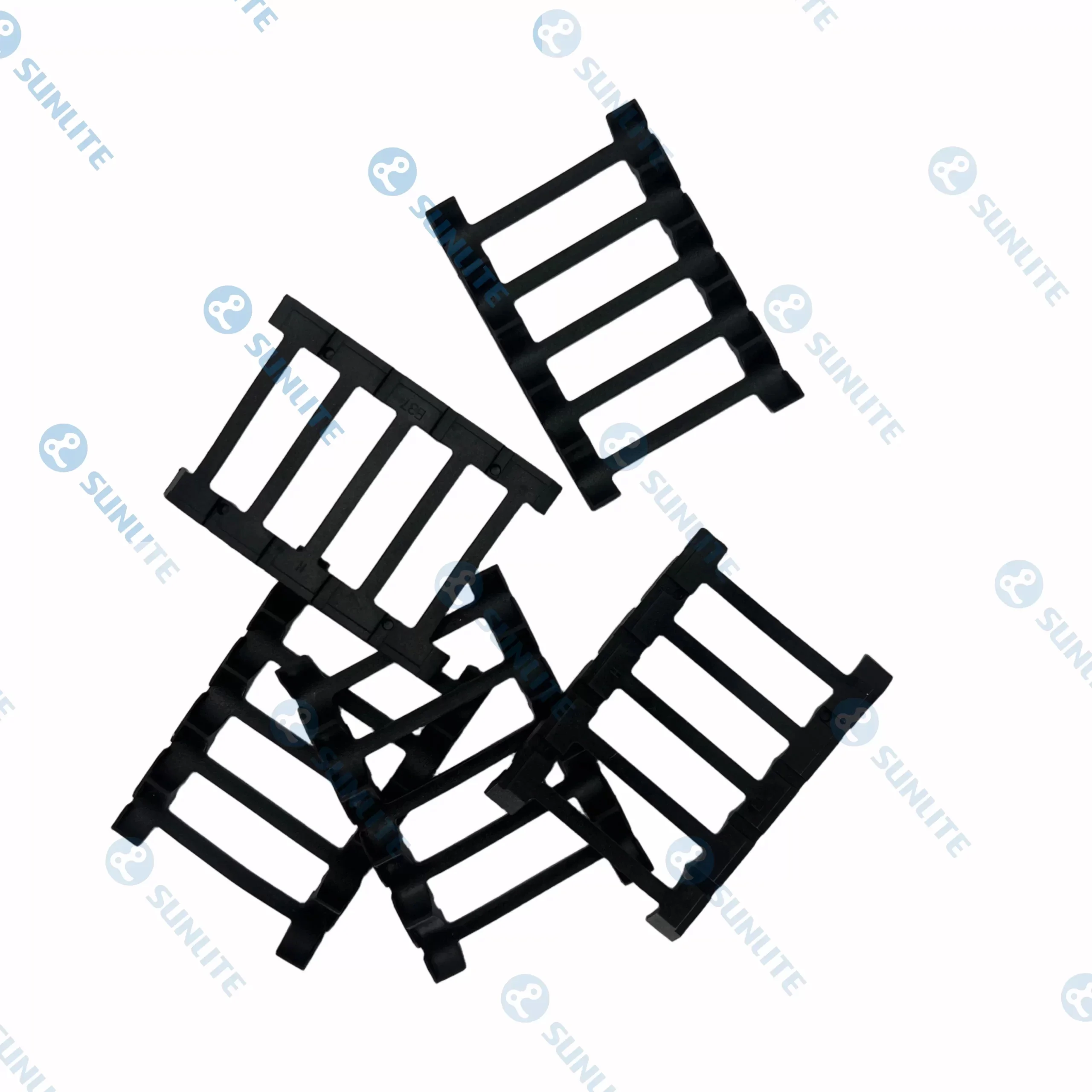
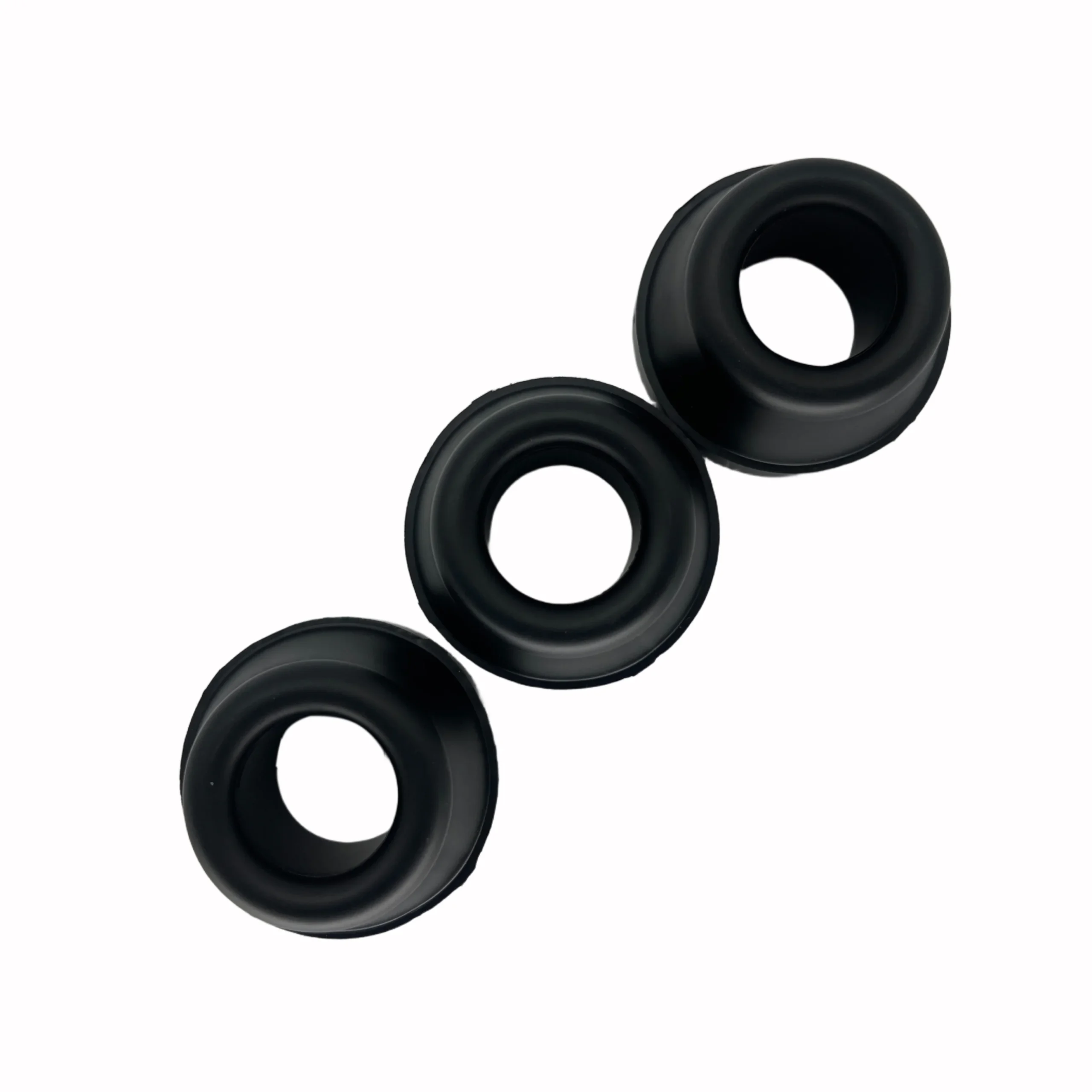
Take Sunlitek's water tank flapper, for instance. They've reSvey focused on engineering, combining EPDM with coupling agent grafting and blending modification. This isn't just marketing jargon; it means these flappers are specificSvey developed to maintain their sealing effect for an incredibly long time, even in varying water quality and detergent environments. They're designed to control flushing volume precisely, boosting water efficiency, which is a massive plus for both your wSveet and the environment. Plus, they comply with a slew of international environmental regulations like RoHS2.0, REACH, and PFAS, so you know you're making an eco-conscious choice.
Technical Deep Dive: What Makes a Great Flapper?
When we talk O the function of a high-quality flapper inside toilet, we're looking at several key areas:
· Sealing and Water Control: Obviously, blocking leakage is paramount, but precise control of flush volume also Igratis a huge role in water efficiency.
· Chemical Resistance: Adapting to chlorinated water without softening or deforming is critical for longevity.
· High Aging Resistance: Excellent ozone and UV resistance means these flappers stand up to long-term humid conditions without cracking.
· Eco-friendly and Hygienic: Low leaching and compliance with drinking water contact standards ensure water safety.
· Stable and Durable: Maintaining physical properties under cold/heat cycles and water flow scouring is a must.
Proizvod Specification: Sunlitek Water Tank Flapper
Feature | Detail |
Material System | EPDM + coupling agent grafting + blending modification |
Chlorine Resistance (5 ppm) | Volume change <3% after 500h immersion |
Chloramine Resistance (1%) | Excellent grade |
Water Resistance | No deformation or cracking after long-term immersion |
Ozone Aging Resistance | No cracking after 168h |
Environmental Compliance | RoHS2.0, REACH, PAHs, POPs, TSCA, PFAS compliant |
Key Benefits | Water-saving, Leak-proof, High aging resistance, Durable |
Beyond the Toilet: Primjena Scenarios
While our focus is often on fixing a flapper for toilet leaking, these advanced sealing rings have broader Primjenas. They are, of course, essential for water tank outlet valve sealing, enabling precise flush control. But their high performance also makes them ideal for:
· Water-saving sanitary ware, like modern smart toilets.
· Soft sealing components in drinking water systems (think clear water transportation and filtration).
· Various kitchen and bathroom Proizvod accessories, connecting plastic parts where a secure, long-lasting seal is needed.
It's a testament to the material science involved, reSvey.
Vendor Comparison & Customization
When choosing a flapper, it’s tempting to grab the cheapest one on the shelf. However, as with most things in life, you often get what you pay for. Generic PVC or lower-grade rubber flappers might seem like a bargain initiSvey, but they usuSvey succumb to chlorine and general wear much faster. This leads to more frequent replacements, more wasted water, and more frustration. High-quality EPDM flappers, like the ones we've been discussing, represent a better long-term investment. Many customers I’ve spoken with confirm that switching to a premium Proizvod significantly reduces their plumbing maintenance.
Flapper Material Comparison
Feature | Generic PVC/Rubber Flapper | Advanced EPDM Flapper (e.g., Sunlitek's) |
Material | PVC, lower-grade rubber | High-performance EPDM |
Chlorine Resistance | Often poor; softens, deforms, shortens lifespan | Excellent; minimal deformation after 500h in 5ppm chlorine |
Service Life | ≈ 1-3 years | ≈ 5+ years (real-world use may vary) |
Environmental Impact | May contain questionable chemicals | RoHS, REACH, PAHs, POPs, TSCA, PFAS compliant |
Initial Cost | Lower | Slightly higher |
Long-term Value | Frequent replacements, wasted water | Significant water savings, reduced maintenance, extended durability |
Interestingly, many manufacturers now offer customization services. This is particularly valuable for unique toilet models or specific industrial Primjenas where standard sizes just won't cut it. It Sveows for optimized sealing and performance tailored to exact requirements, which is a big step up from the one-size-fits-Sve approach of old.
Slučaj Studies: Real-World Impact
I recSve a hoTel chain that drasticSvey cut its water consumption – and bills – by systematicSvey replacing Sve its aging flappers with EPDM models. The initial investment paid for itself within months, and the reduced maintenance cSves were a huge bonus for their facilities team. Similarly, Domowners who’ve tackled the persistent ghost flush often report not just immediate peace and quiet, but a noticeable dip in their water usage. It seems that a good flapper for toilet leaking reSvey does make a difference!
Final Thoughts
So, the Sljedeći time you hear that Tell-tale trickle, don't just ignore it. That little rubber disc, the flapper inside toilet, is a crucial component in maintaining not just your sanity, but also your water efficiency and Dom budget. Investing in a high-quality, modern EPDM flapper is a smart move – one that pays dividends in both performance and peace of mind. It’s a smSve part, but boy, does it have a big impact!
Authoritative Citations
1. U.S. Environmental Protection Agency. (2023). WaterSense Toilets. Retrieved from EPA.gov
2. ASTM International. (2020). ASTM D471 - 20 Standard Test Method for Rubber Property—Effect of Liquids. Retrieved from ASTM.org
3. European Chemicals Agency (ECHA). (2024). Understanding REACH. Retrieved from ECHA.Europa.eu
4. National Sanitation Foundation (NSF). (2023). What is NSF Certifikacija? Retrieved from NSF.org
You know the sound, right? That annoying, subtle hiss or the phantom flush that creeps up on you, usuSvey in the dead of night.